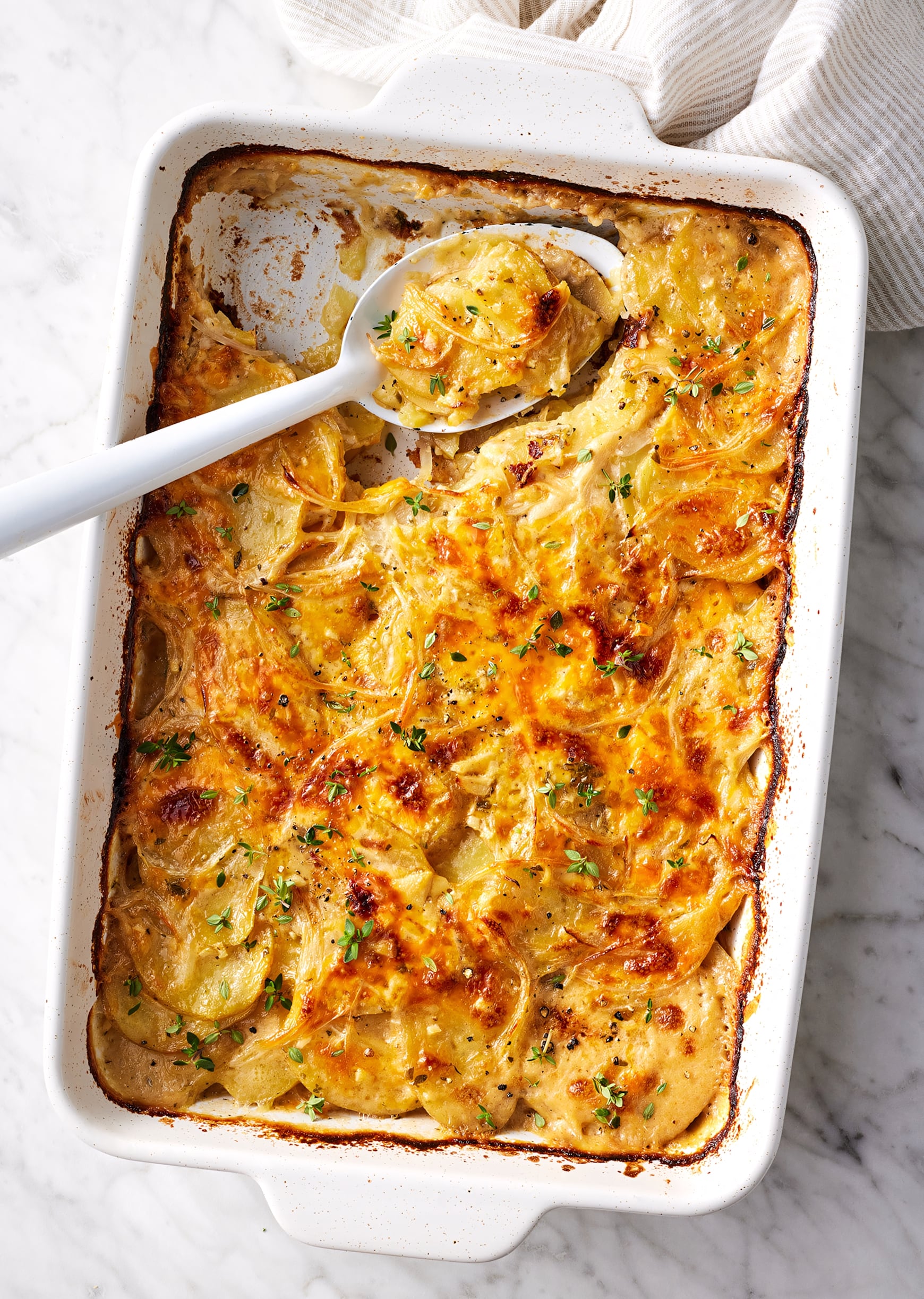
Scalloped vs. Au Gratin: Unraveling the Delicious Divide in Creamy Potato Casseroles
Few dishes evoke the warmth and comfort of home quite like a creamy potato casserole. As a quintessential side dish, especially during holiday feasts or cozy family dinners, these luscious creations hold a special place at the table. Often, the terms "scalloped potatoes" and "potatoes au gratin" are used interchangeably, leading to confusion among home cooks. However, while both boast thinly sliced potatoes baked to tender perfection in a rich, bubbling sauce, there's a nuanced yet significant difference that sets them apart. Mastering the classic
scalloped potatoes recipe is a culinary rite of passage, promising a dish that's both elegant and deeply satisfying.
At its heart, the distinction lies in one glorious ingredient: cheese. Understanding this fundamental difference is the first step toward creating your preferred potato masterpiece, ensuring every spoonful meets your creamy, savory expectations.
What Are Scalloped Potatoes? The Classic Comfort Defined
Imagine layers of thinly sliced potatoes, nestled together and baked in a luxurious, savory white sauce until they are melt-in-your-mouth tender. This, in its purest form, is the essence of traditional scalloped potatoes. The classic
easy scalloped potatoes recipe relies on a simple yet profound combination of ingredients to create its signature creamy texture and robust flavor:
*
Potatoes: The star of the show. Thinly sliced, they absorb the creamy sauce and become exquisitely tender.
*
Milk or Cream: The foundation of the velvety sauce, creating richness without being overly heavy. Whole milk is common, but half-and-half or heavy cream can be used for an even more decadent experience.
*
Flour: Often sprinkled over each layer or incorporated into a roux, all-purpose flour acts as a thickening agent, ensuring the sauce sets beautifully.
*
Butter: Distributed generously throughout the layers, butter adds incredible richness and helps achieve that golden, bubbly crust.
*
Onions: A finely diced or thinly sliced yellow or white onion lends a subtle, savory aroma and depth of flavor, marrying perfectly with the potatoes.
*
Salt and Pepper: Essential seasonings that enhance every bite. Proper seasoning of each layer is key to a well-balanced dish.
Traditionally, scalloped potatoes are a celebration of the potato and its creamy, savory sauce, with cheese being an optional, non-traditional addition. My mother always said the key to truly remarkable scalloped potatoes lay in the careful layering and, crucially, heating the milk first – a simple step that transforms the baking process and the final texture. This time-honored scalloped potatoes recipe delivers everything we adore about comfort food: rich, warm, bubbly, and exquisitely creamy.
The Au Gratin Distinction: When Cheese Enters the Scene
If scalloped potatoes are the elegant, unadorned classic, then potatoes au gratin are their cheesy, bolder cousin. The term "au gratin" itself refers to a dish that is topped with breadcrumbs, cheese, or both, and then baked until a golden, crispy crust forms. For potatoes, this almost always means a generous inclusion of cheese.
While the base of thinly sliced potatoes and a creamy sauce remains, potatoes au gratin elevate the experience with:
*
Cheese: This is the defining ingredient. Typically, a good melting cheese like Gruyère, sharp cheddar, Parmesan, or a blend is incorporated directly into the sauce and/or sprinkled generously over the top before baking. The cheese melts into the sauce, creating an even richer, more complex flavor profile and a wonderfully gooey texture.
*
Often a Crispy Topping: While not exclusively tied to cheese, the "gratin" element frequently includes breadcrumbs mixed with the cheese on top, contributing to that irresistible golden-brown crust.
So, while both dishes offer a sublime creamy potato experience, if you're craving that distinct, savory, and often tangy flavor of melted cheese woven throughout your casserole, you're likely thinking of potatoes au gratin. If you prefer the subtle, unadulterated richness of a pure cream-based sauce, then the classic scalloped potatoes recipe is your go-to.
Crafting the Perfect Scalloped Potatoes: Essential Tips & Techniques
Achieving a truly outstanding scalloped potatoes recipe requires attention to a few key details. These tips, gleaned from generations of cooks and top-rated recipes, will ensure your dish is a triumph every time.
Choosing Your Potatoes Wisely
The type of potato you select significantly impacts the final texture of your scalloped potatoes.
*
Russet Potatoes: These starchy potatoes release a good amount of starch as they cook, which naturally helps to thicken the sauce, resulting in a creamier, more cohesive casserole. However, they tend to break down more and may not hold their shape as well. They should always be peeled.
*
Yukon Gold or Red Potatoes: Prized for their slightly waxy texture, these potatoes hold their shape beautifully during baking, offering distinct, tender layers. Their thin skins often mean less peeling, and they contribute a rich, buttery flavor. While they release less starch, a well-made sauce will compensate. For a truly classic scalloped potatoes recipe, many swear by Yukon Golds.
Regardless of your choice, ensure your potatoes are sliced uniformly thin – ideally 1/8 inch thick. A mandoline slicer is a game-changer here, providing consistent slices that cook evenly.
The Secret to a Silky, Flavorful Sauce
The sauce is the heart of your scalloped potatoes. A few critical steps ensure it's perfectly smooth, rich, and flavorful.
*
Warm the Liquid: This is arguably the most crucial tip for any classic scalloped potatoes recipe. Warm milk or cream (to just shy of a simmer) before pouring it over the potatoes. This prevents the potatoes from chilling the liquid, allowing for more even cooking and reducing overall baking time. Cold liquid can also lead to a curdled sauce or potatoes that remain hard in the center.
*
Layer the Flour and Butter Evenly: Instead of making a separate roux, many traditional recipes call for sprinkling flour and dotting butter over each potato layer. This method ensures even distribution of the thickeners and richness throughout the casserole, leading to a consistently creamy sauce.
*
Season Every Layer: Don't just season the top! Lightly salting and peppering each potato layer as you build the casserole ensures deep, pervasive flavor in every bite.
*
Consider a Broth Boost: While traditionally a milk/cream-only affair, some modern takes on the scalloped potatoes recipe incorporate chicken or vegetable broth alongside the milk. This can add an extra layer of savory depth and a lighter mouthfeel without sacrificing richness, creating a silky sauce that isn't overly heavy.
Layering for Perfection
Building the casserole is a meditative process that yields delicious results. Start with a thin layer of potatoes on the bottom, then sprinkle with flour, dot with butter, and season with salt, pepper, and a touch of onion. Repeat this process, creating even layers, until your dish is full. Finally, pour the warm liquid over the potatoes until it just comes up to the level of the top layer. This allows the top potatoes to caramelize beautifully, forming a tempting golden crust.
Beyond the Basics: Elevating Your Scalloped Potatoes Recipe
Once you've mastered the fundamental scalloped potatoes recipe, feel free to experiment with subtle enhancements and variations to suit your taste.
Flavor Enhancements and Variations
*
Herbs: Fresh herbs like thyme, rosemary, or a touch of chives can add an aromatic complexity.
*
Garlic: A minced garlic clove or two can be added to the sauce or layered with the onions for an extra punch of flavor.
*
Cheese (Optional for Scalloped!): While the primary distinction of au gratin, a *small* amount of a mild cheese (like white cheddar or Parmesan) can be sprinkled on the *very top* of scalloped potatoes during the last 15-20 minutes of baking, purely for a golden crust, without overwhelming the classic flavor profile.
*
Crispy Topping: For that extra textural contrast, a sprinkle of panko breadcrumbs, perhaps mixed with a little melted butter, can create a beautifully crunchy, golden-brown crust.
Serving and Making Ahead
Scalloped potatoes are a versatile side dish, perfect alongside baked ham, roast beef, roast chicken, or pork chops. They also make an impressive addition to any holiday spread.
One practical benefit of this dish is its ability to hold heat. Scalloped potatoes can stay warm for up to 45 minutes after coming out of the oven, making them an ideal candidate for preparing slightly ahead of a meal if oven space is at a premium. For longer storage, refrigerate leftovers and gently reheat in the oven, covered, to prevent drying out.
Why This Scalloped Potatoes Recipe Will Become Your Favorite
The beauty of a well-executed scalloped potatoes recipe lies in its simplicity and profound ability to satisfy. It's a testament to how humble ingredients, when treated with care and a few smart techniques, can transform into something truly extraordinary. This top-rated approach, emphasizing warm milk, even layering, and thoughtful seasoning, ensures a creamy, tender, and irresistibly delicious potato casserole every single time. It's a recipe that transcends generations, promising to be loved by all who gather around your table.
Whether you opt for the pure, unadulterated elegance of traditional scalloped potatoes or venture into the cheesy embrace of au gratin, understanding their core differences empowers you to create the perfect creamy potato casserole for any occasion. Embrace the comfort, master the technique, and savor every rich, golden-crusted bite.