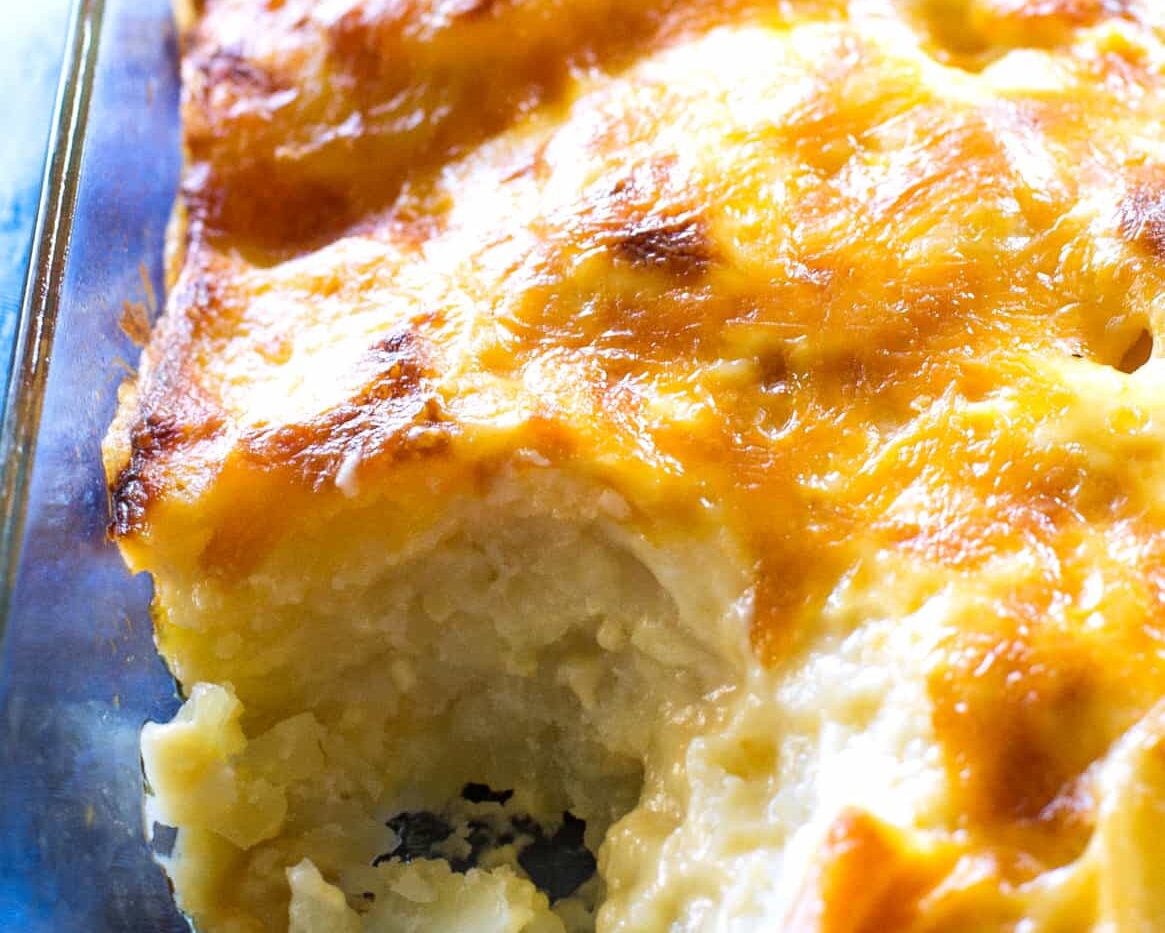
Classic Scalloped Potatoes: The Epitome of Creamy Comfort
There are few dishes that evoke the warmth and comfort of home quite like classic scalloped potatoes. This beloved side, with its layers of tender potato slices bathed in a rich, creamy sauce, crowned with a bubbly, golden crust, is a staple on holiday tables and a welcome addition to any family meal. Whether you're serving it alongside a succulent baked ham, a juicy roast beef, a perfectly cooked chicken, or savory pork chops, a well-executed
easy scalloped potatoes recipe elevates the entire dining experience.
While many might consider this a complex dish, the truth is that truly exceptional scalloped potatoes are surprisingly simple to achieve, requiring just a handful of humble ingredients and one crucial technique. The secret to achieving that ultimate creamy perfection? It all starts with heating your milk first.
Understanding the Magic: What Makes Scalloped Potatoes So Special?
At its heart, a classic scalloped potatoes recipe involves thinly sliced potatoes, typically layered in a casserole dish and baked until meltingly tender in a dairy-based liquid. What elevates this simple concept to a culinary masterpiece is the careful interplay of ingredients and technique that creates a sauce that is both luxurious and comforting. Unlike au gratin potatoes, which typically feature a generous amount of cheese, traditional scalloped potatoes focus on the pure, unadulterated goodness of a rich, savory white sauce. If you're curious about the nuances, we delve deeper into this distinction in our article
Scalloped vs. Au Gratin: Mastering Your Creamy Potato Casserole.
The allure of scalloped potatoes lies in their texture – individual slices that retain a hint of their original form but yield effortlessly to a fork, enveloped in a thick, velvety sauce that coats every bite. The top, often browned and slightly crisp, provides a delightful textural contrast, hinting at the warm, bubbly goodness beneath. It's no wonder this top-rated dish consistently ranks as an Allrecipes favorite and a cherished family tradition for many, passed down through generations.
The Foundation of Flavor: Key Ingredients for Your Scalloped Potatoes Recipe
Crafting the perfect pan of classic scalloped potatoes begins with selecting the right components and understanding their individual roles. Each ingredient contributes significantly to the final texture and taste.
Choosing Your Potatoes Wisely
The star of the show, potatoes, offers a few excellent choices:
- Russet Potatoes: These are an excellent choice for scalloped potatoes because their high starch content naturally helps to thicken the sauce, contributing to that desired creamy consistency. They should always be peeled.
- Yukon Gold Potatoes: Known for their buttery flavor and ability to hold their shape well, Yukon Golds provide a slightly firmer bite while still becoming wonderfully tender. Their thin skins often mean peeling is optional.
- Red Potatoes: Similar to Yukon Golds, red potatoes have thin skins that don't necessarily require peeling and maintain their shape, offering a beautiful color contrast if you leave the skins on.
No matter your choice, ensure your potatoes are sliced uniformly thin – a mandoline slicer is a game-changer here, guaranteeing even cooking and a beautiful presentation.
The Aromatic Backbone: Onions
A medium-sized yellow or white onion is crucial for imparting a savory, aromatic depth to your scalloped potatoes. Finely diced or thinly sliced, they melt into the sauce, providing a subtle sweetness and an indispensable foundational flavor that complements the potatoes perfectly.
The Essential Thickener: All-Purpose Flour
To achieve a consistently thick and creamy sauce, all-purpose flour plays a vital role. Instead of creating a roux, this classic scalloped potatoes recipe calls for sprinkling flour lightly over each layer of potatoes. This technique ensures the sauce thickens evenly throughout the casserole as it bakes, rather than settling at the bottom.
Indulgent Richness: Butter
A generous amount of butter is non-negotiable for classic scalloped potatoes. Distributed over each layer, butter contributes an unparalleled richness and silky mouthfeel to the sauce. It also helps in browning the potatoes and developing flavor as they cook.
The Flavor Enhancers: Salt and Pepper
Don't underestimate the power of proper seasoning. Salt and freshly cracked black pepper are essential for bringing out the best in your potatoes and sauce. The key is to season each layer as you build your casserole, ensuring every bite is perfectly flavored.
The Creamy Heart: Milk, Cream, or Half-and-Half
This is where the magic truly happens. While whole milk is often recommended for a balanced richness, you can opt for half-and-half or even heavy cream for an even more decadent texture and flavor. The most critical instruction here, the "key to creamy perfection," is to
warm your chosen dairy liquid before pouring it over the potatoes.
Why is this so important? Pouring cold milk over cold potatoes significantly prolongs the baking time. Warm milk, however, kickstarts the cooking process immediately, allowing the potatoes to absorb the liquid more efficiently and begin releasing their starches to thicken the sauce faster. This ensures your scalloped potatoes bake through beautifully, becoming tender without drying out, and developing that coveted bubbly, caramelized crust. You'll need about three cups, or "as needed," ensuring the warm liquid just comes up to the final layer of potatoes. This amount is perfect for developing that irresistible golden-brown crust on top.
Beyond the Basics: Tips for Scalloped Potato Perfection
While the core ingredients and the warm milk technique are fundamental, a few additional insights can elevate your scalloped potatoes from good to absolutely unforgettable.
Considering a "Secret Sauce" Variation
While traditional recipes lean heavily on milk or cream, some culinary experts suggest a clever twist for a sauce that’s rich yet feels lighter. The addition of a high-quality chicken or vegetable broth to the dairy can add depth of flavor and saltiness without making the dish overly heavy. This allows for a silky, delicious sauce that truly shines. Experiment with a half-milk, half-broth ratio to find your perfect balance.
Optional Toppings for Extra Oomph
Before baking, consider sprinkling a layer of breadcrumbs over the top for an even richer, crispier golden crust. If you're a fan of a cheesy finish, a light dusting of grated hard cheese like Parmesan or Gruyere can also be a delightful addition, blurring the lines slightly between traditional scalloped and au gratin while adding a lovely savory note.
Prep Ahead for Stress-Free Serving
Scalloped potatoes are a fantastic make-ahead dish, especially during busy holiday preparations. They hold their heat remarkably well, often staying warm for up to 45 minutes after coming out of the oven. This allows you to reclaim valuable oven space for other components of your meal and serve them confidently. You can also assemble the casserole a day in advance, cover it tightly, and refrigerate. Just remember to let it come closer to room temperature before baking to ensure even cooking.
The Art of Slicing
As mentioned, uniform, thin slices are crucial for even cooking. Aim for about 1/8 to 1/4 inch thick. If slices are too thick, they won't cook through properly; if too thin, they might turn mushy.
Don't Skimp on Resting Time
Once your scalloped potatoes emerge from the oven, bubbling and golden, resist the urge to dive in immediately. A short resting period of 10-15 minutes allows the sauce to set and thicken further, ensuring it doesn't run everywhere when you serve it.
Conclusion: Embrace the Creamy Perfection
Classic scalloped potatoes are more than just a side dish; they're a celebration of simple ingredients transformed into something extraordinary. By understanding the role of each component, particularly the foundational importance of warm dairy, you unlock the key to creamy perfection. This top-rated recipe, with its tender potatoes, savory sauce, and irresistible crust, promises to be a comforting staple that will delight your family and guests for years to come. So, gather your ingredients, warm that milk, and prepare to create a truly unforgettable dish.