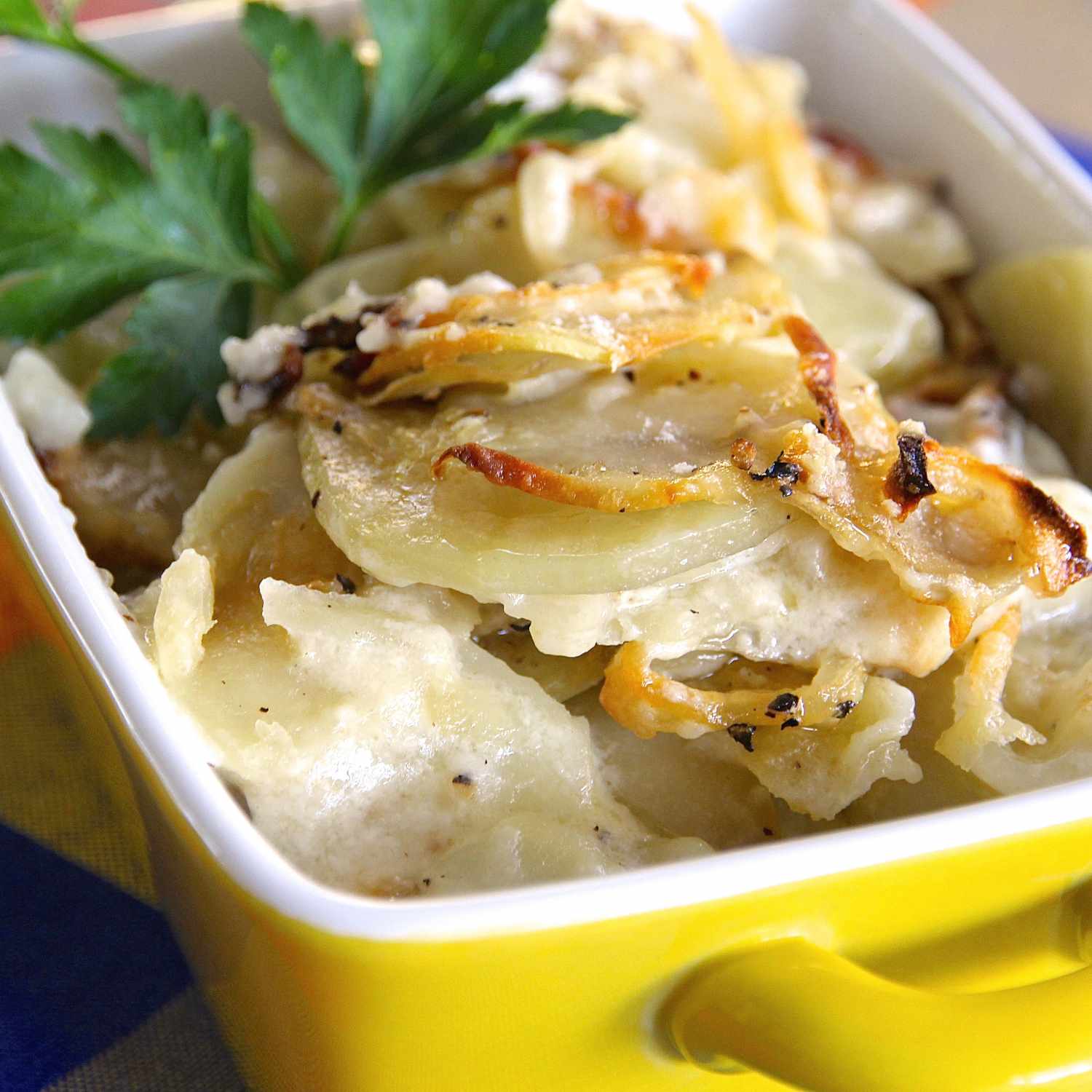
There are few dishes that evoke the heartwarming comfort of home and the joy of holiday gatherings quite like a perfectly executed pan of scalloped potatoes. Tender, thinly sliced potatoes bathed in a rich, creamy sauce, bubbling gently in the oven, and emerging with a golden-brown crust – it’s an irresistible symphony of textures and flavors. While often perceived as a complex undertaking, crafting an easy yet utterly decadent scalloped potatoes recipe is entirely within reach for any home cook. This isn't just a side dish; it's a centerpiece of culinary delight, perfectly complementing everything from baked ham to roast beef, and a guaranteed crowd-pleaser for any special occasion. Dive in with us as we uncover the top tips and tricks to transform simple ingredients into a truly memorable Classic Scalloped Potatoes: The Key to Creamy Perfection.
The Foundation of Flavor: Mastering Your Scalloped Potatoes Recipe
At its heart, any great scalloped potatoes recipe begins with quality ingredients and a clear understanding of how they interact. The core elements are beautifully simple: thinly sliced potatoes layered in a casserole dish, enveloped in a luscious, milk-based sauce. But it's the classic additions – flour, butter, onions, salt, and pepper – that truly define its rich, satisfying character.
Selecting Your Spuds: The Right Potato for the Perfect Texture
The choice of potato significantly impacts the final texture of your dish. While many varieties will yield delicious results, two stand out for their unique contributions:
- Russet Potatoes: These starchy potatoes are fantastic for thickening the sauce. As they cook, they release starch, which naturally contributes to a creamier, more cohesive sauce. However, they tend to become very tender, sometimes losing their distinct shape.
- Yukon Gold Potatoes: Known for their buttery flavor and slightly waxy texture, Yukon Golds hold their shape beautifully even after prolonged baking. Their thinner skins also mean you often don't need to peel them, saving precious prep time. While they contribute less starch than Russets, they offer a delightful structural integrity to your layers.
For the ultimate balance, some home cooks even opt for a combination of both, leveraging the thickening power of Russets and the elegant structure of Yukon Golds. Regardless of your choice, consistency in slicing is key. Aim for uniform, thin slices (around 1/8-inch thick) to ensure even cooking and a tender mouthfeel.
The Aromatic Heart: Onions and Seasoning
A medium-sized yellow or white onion, thinly sliced or finely diced, forms the aromatic backbone of this comforting dish. Its savory notes infuse the creamy sauce, adding depth without overpowering the potatoes. Beyond the onion, proper seasoning is paramount. A generous hand with salt and freshly cracked black pepper on each layer of potatoes and sauce is crucial. This layered seasoning approach ensures every bite is flavorful, preventing a bland center.
The Secret to Silky, Rich Sauce: Beyond Just Milk
The sauce is the soul of your scalloped potatoes, transforming humble potatoes into a truly luxurious side. While milk or cream forms the base, several clever techniques ensure it achieves that perfect, velvety consistency.
All-purpose flour plays a vital role in thickening the sauce. Rather than creating a roux separately, this traditional scalloped potatoes recipe method involves sprinkling a dusting of flour over each layer of potatoes before adding the liquid. This ensures the sauce thickens evenly throughout the casserole as it bakes, creating a smooth, unctuous consistency that coats every potato slice beautifully.
The Golden Rule: Warm Your Liquid!
This is perhaps the single most important tip for success with any scalloped potatoes recipe. Whether you choose whole milk, half-and-half, or heavy cream for extra richness, always warm the liquid before pouring it over your layered potatoes. Cold liquid dramatically extends baking time because the potatoes essentially have to "come to temperature" from scratch in the oven. Warming the milk first allows the potatoes to begin cooking immediately, resulting in a more tender texture and a perfectly set sauce in less time. Simply heat it gently on the stovetop until steamy, but not boiling.
The "Secret Sauce" Boost: A Touch of Broth
While many classic recipes rely solely on dairy, a lesser-known but incredibly effective trick for a truly sublime sauce is the addition of a little chicken or vegetable broth. This brilliant technique, favored by experienced cooks, adds a layer of savory complexity and helps create a sauce that's wonderfully rich yet surprisingly light and silky, rather than overly heavy. It enhances the overall flavor profile without weighing down the dish. Aim for about 1/4 to 1/3 of your total liquid volume to be broth for an impactful difference.
A generous amount of butter, distributed thoughtfully over each layer, is another non-negotiable for achieving that signature richness. As it melts and melds with the dairy and flour, it contributes an undeniable depth of flavor and a luscious mouthfeel.
When pouring your warm liquid over the assembled layers, aim for it to come just even with the top layer of potatoes. This ensures all potatoes are submerged enough to cook thoroughly, and the excess liquid will reduce and caramelize into a delectable brown crust during baking.
Elevating Your Dish: Tips for a Golden Crust and Deeper Flavor
While a classic scalloped potatoes recipe is divine on its own, there are wonderful ways to enhance its appeal, both in flavor and presentation.
The Perfect Topping: Crunch and Color
For an irresistible golden-brown crust with added texture, consider sprinkling a layer of panko breadcrumbs or grated cheese over the top of your casserole before it goes into the oven. A sharp cheddar, Gruyere, or even Parmesan can add a beautiful savory note and a delightful crispy finish. This leads us to a common culinary question: What's the difference between scalloped and au gratin potatoes? Generally, Scalloped vs. Au Gratin: Mastering Your Creamy Potato Casserole hinges on the presence of cheese. While scalloped potatoes traditionally feature a milk or cream sauce without cheese, au gratin potatoes almost always include cheese as a primary ingredient, often baked into the layers and as a topping.
Creative Additions for Extra Flair
- Herbs: Fresh rosemary or thyme, finely chopped and sprinkled between layers, can infuse your dish with fragrant, earthy notes that pair beautifully with potatoes.
- Meats: For a more substantial side or even a light main course, consider adding diced cooked ham or crispy bacon bits between the potato layers.
- Garlic: A clove or two of minced garlic added to the warm milk or sautéed lightly with the onions can provide a wonderful aromatic kick.
Holiday Planning Made Easy
One fantastic advantage of this classic side is its resilience. Scalloped potatoes are excellent at holding their heat, often staying warm for up to 45 minutes after coming out of the oven. This makes them an ideal candidate for holiday meal preparation, allowing you to free up oven space for other dishes and serve a perfectly hot side when it's time to eat.
Common Pitfalls and How to Avoid Them
Even with an easy scalloped potatoes recipe, a few common issues can arise. Knowing how to prevent them ensures consistent success:
- Under-cooked Potatoes: The most frequent complaint! This is usually due to slices being too thick, not enough liquid to fully immerse the potatoes, or simply not baking long enough. Ensure thin, even slices and bake until fork-tender.
- Watery Sauce: If your sauce isn't thickening, you might not have used enough flour, or perhaps your potatoes (if using waxy types exclusively) aren't releasing enough starch. Ensuring your milk is warm and the flour is properly distributed helps.
- Bland Flavor: Forgetting to season each layer is the primary culprit here. Don't be shy with salt and pepper, and ensure your onions are sufficient.
- Burnt Top, Raw Center: If the top is browning too quickly before the potatoes are cooked through, simply cover the casserole dish loosely with foil for part of the baking time. Remove the foil for the last 15-20 minutes to achieve that beautiful golden crust.
Armed with these insights and techniques, you're now ready to create a truly exceptional pan of easy scalloped potatoes. This rich, creamy, and undeniably delicious side dish isn't just a holiday tradition; it's a testament to the power of simple ingredients elevated by smart cooking tips. From selecting the right potato to warming your liquid and perhaps even incorporating a touch of broth, every step contributes to a final product that will impress and satisfy. So go ahead, embrace the comfort, and let this comprehensive scalloped potatoes recipe guide you to your most memorable holiday side yet.
